When she contacted us for a water infiltration problem, our client expected the problem to…
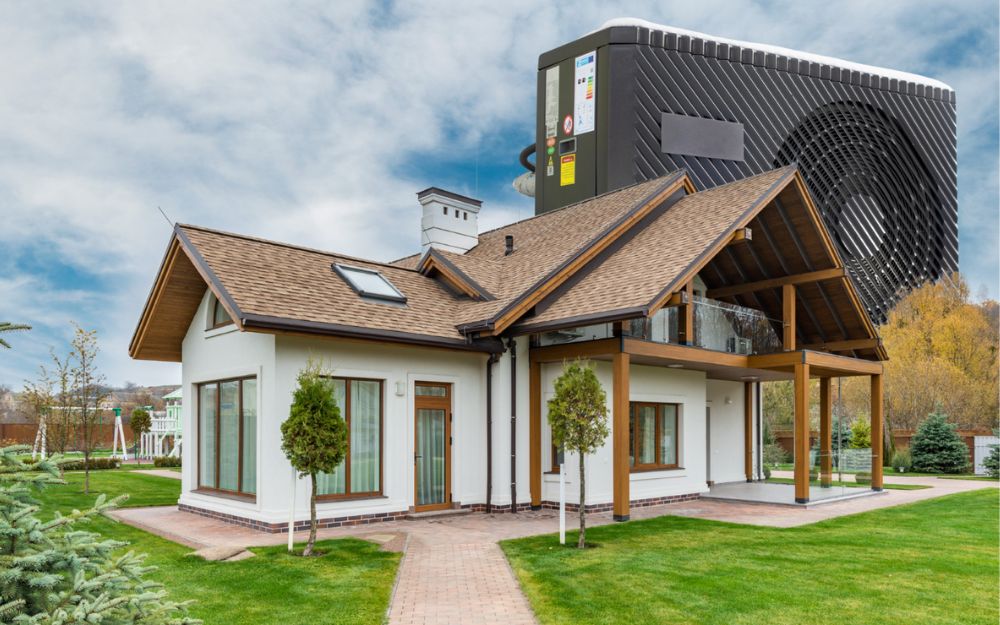
Can an oversized heat pump be harmful to a building?
When it’s time to choose a heat pump for a building, it can be tempting to assume that a more powerful unit will automatically deliver better performance—especially when a larger grant makes the option even more appealing. However, oversizing a heat pump can lead to several negative effects. Stay with us as we take a closer look at the disadvantages of installing a heat pump with the wrong capacity!
Is your heat pump oversized?
Our building experts are there to help you
keep your house in better shape… longer!
There’s no doubt that one of the main issues associated with an oversized heat pump is short cycling. Because the unit is more powerful than necessary, it reaches the desired temperature quickly, causing frequent stops and starts. This operating pattern prevents the system from reaching optimal performance, reduces its energy efficiency, and leads to premature wear on components—especially the compressor. The result: a shorter equipment lifespan and higher maintenance and replacement costs.
Even worse, oversizing a heat pump represents an unnecessarily high upfront cost, despite the larger grant mentioned earlier. Purchasing and installing a bigger unit is more expensive without offering any additional benefits. A properly sized heat pump runs longer at lower intensity, which is more efficient and less energy-consuming.
On the other hand, an improperly sized unit consumes more electricity at each startup and may trigger the auxiliary heating system unnecessarily, which is often very energy-intensive. The result is higher energy bills, especially in winter, cancelling out the expected savings. Proper sizing is essential to optimize performance and keep operating costs under control.
From a comfort perspective, an oversized heat pump also creates issues. In cooling mode, for example, it cools the air quickly but does not run long enough to properly dehumidify it. The air may feel cool but damp, creating discomfort for occupants. This excess humidity can be especially problematic in airtight buildings, where moisture tends to accumulate. Over time, it can promote mold growth, material deterioration, and a decline in indoor air quality.
Finally, these consequences can even extend to the building components themselves. Poor humidity control can lead to condensation issues—on walls, windows, or inside ceilings. If this moisture persists, it can damage construction materials (wood, gypsum, insulation), accelerate their deterioration, and potentially lead to costly repairs. In some cases, occupants may also experience health problems due to mold or allergens present in the air.
In conclusion, to ensure performance, comfort, and overall building durability, it is essential that the heat pump be properly sized. This requires a professional assessment, including load calculations based on floor area, orientation, insulation, and local climate. Contrary to common belief, bigger does not mean better—a unit that is too powerful can be just as harmful, if not more, than one that is undersized.
Before making a rushed purchase simply to benefit from a grant, take the time to inform yourself. Reach out to our impartial energy-efficiency advisors and choose a heat pump that truly meets your needs—without going overboard.
Is your heat pump oversized?
Our building experts are there to help you
keep your house in better shape… longer!
Related Posts