To protect your house and avoid problems, you must first know what is going on…
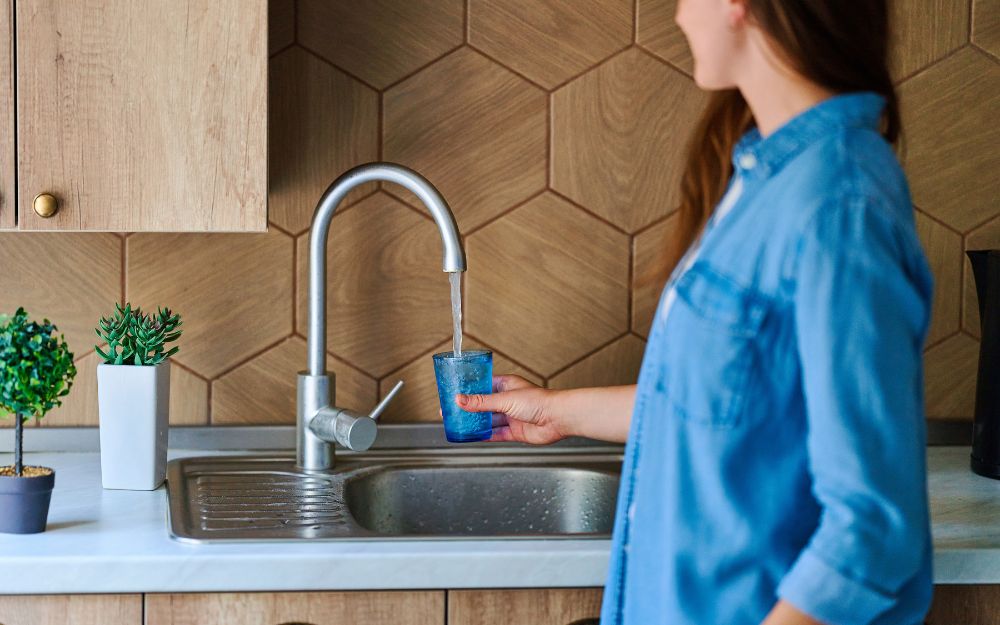
How to choose the right water purifier for you
Access to quality water is essential, both for health and everyday comfort. However, not all water purifiers are created equal, and needs can vary from one household to another. Between water quality, intended use, and the various technologies available, it can be hard to know where to start. Stay with us as we walk you through the main criteria for choosing the water purifier best suited to your needs, based on advice from the professionals at HydroSolution.
Looking for a new water purifier?
Whatever the problem you’re facing,
our home inspectors are here for you!
1. Understand your water quality
Before choosing a system, it’s important to have a better understanding of your water’s composition. Even though municipal water is treated to be safe for drinking, it can sometimes contain certain residues, such as chlorine or trace metals, in addition to having a less pleasant taste or odor. Water quality can also vary depending on the region or the condition of the infrastructure.
Having your water tested or finding out about its source is an important first step in determining the type of treatment best suited to your needs. Some companies, including HydroSolution, offer free water testing to help consumers better understand their needs.
2. Define your everyday needs
The choice of system depends mainly on the intended use and the quality of the water. To improve the taste of water used for daily consumption, a filtration system may be enough, as it reduces certain impurities. Purification systems, on the other hand, remove more potential contaminants, such as certain chemicals, heavy metals, or dissolved minerals.
It’s also possible to correct hard water issues with a water softener, which reduces the buildup of deposits in plumbing and household appliances.
3. Choose the right technology
Among the best-known technologies is ultrafiltration, which uses several filters to capture different particles while preserving certain minerals naturally present in water.
There is also reverse osmosis, which relies on a more advanced purification process capable of removing up to 99% of several contaminants, including lead, chlorine, certain chemicals, and certain heavy metals.
4. Adapt the system to your home
The location and type of installation can also influence the choice of system. Some units are installed under the sink for drinking and cooking water, while other systems can be installed centrally to treat water throughout the entire home.
Central systems can also help protect certain household appliances by limiting the buildup of mineral deposits.
5. Consider the long-term benefits
Beyond water quality, a well-suited system can offer several long-term benefits: improved taste, reduction of certain contaminants, decreased use of plastic bottles, and better protection for certain household appliances.
If you have any doubts about the quality of your drinking water or which type of system to choose, it can be helpful to consult a specialist for recommendations tailored to your situation. Some specialized companies, such as HydroSolution, also offer water testing and personalized advice.
Looking for a new water purifier?
Whatever the problem you’re facing,
our home inspectors are here for you!
Related Posts