François bought a new car almost 5 years ago, and its warranty is coming to…
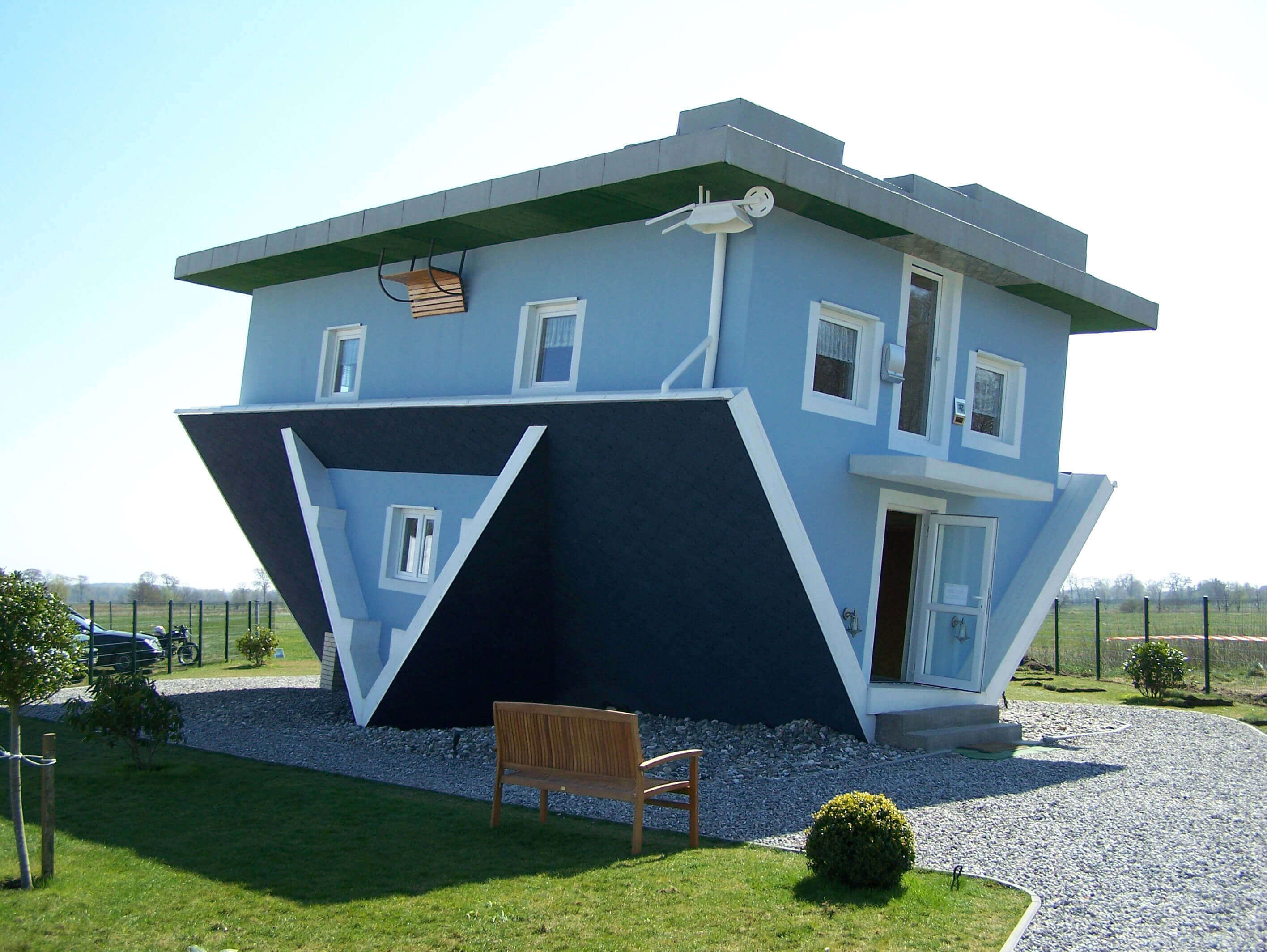
Home renovation: avoid ending up all upside down
“My brother will help me with these renovations. He knows what he’s doing; after all, he built his house himself!” Far from us the idea to contradict you or to question your brother’s skills, but too often in our profession do we see building problems arising directly from renovations made by relatives of the owners. Why? Simply because the people involved do not grasp the impact and scope of their actions on the various building components. Before starting any renovation work, read our article and understand better how your home works.
Need help with your home renovation?
Our home inspectors help and guide you on
the phone for far less than the cost of a visit!
Our house’s first and foremost use is to protect us from the rain, sun, wind and snow. It must also keep us warm in cold weather and offer us comfort and security. The roof, windows, doors and walls form a sealed envelope protecting us from the harsh elements. To keep us warm, our home need an efficient heating system, a good foundation, sufficient insulation in the attic and as few holes as possible to ensure comfort for its occupants.
But these elements are not independent from one another; they all play important roles towards each other. The house, like the automobile, is a complex system of which we must understand and master the dynamic during construction or completion of renovations. Take the example of the automobile. Imagine installing a race car engine in a small compact car. You will very quickly realize that the radiator is not tough enough, the brakes are not powerful enough and that the suspension doesn’t allow you to safely keep your car on the road. For the machine to perform, it is necessary that all components work together, toward a common goal. Similar relationships between components also apply to our houses.
To illustrate the relationship between the various systems of a house, let’s consider an interesting phenomenon known as the “chimney effect”. Explanation: we know that hot air is lighter than cold air because it is less dense. It is this law that allows hot air balloons to rise when we heat up the air inside the balloon. This same phenomenon is found inside all our homes. In winter, the hot air inside the house tends to rise from the basement to the upper floors. By rising, this hot air will go through holes in the ceiling, walls and windows of the top floor of the house and escape in the attic or outside directly. This upward movement of air creates a suction effect on the lower floors. This aspiration phenomenon sucks cold air from the outside at ground floor or basement level through every opening, no matter how small.
By moving from bottom to top, the hot air carries with it moisture from within the living areas to the attic, which frequently causes the formation of ice on the roof and condensation in the attic. Air infiltration from the outside into the lower level of the house, in turn, cools the floors, causing unpleasant drafts and increase heating bills. All renovation work planned in a home, regardless of its nature, may influence this “chimney effect” and thus accentuate the building’s risks of deterioration.
If, as we mentioned in our introduction, you wish to undertake the work yourself or with the help of friends or family, make sure beforehand that the actions you take will not worsen your current situation. To do so, it is important to fully understand which systems in your building (ventilation, plumbing, insulation, etc.) will be affected by the planned work and what you can do to minimize the impact.
In other words, all of these explanations highlight just how much residential construction and renovation, as simple as they may appear, can involve surprising subtleties that may compromise the integrity of the building as well as the health, safety, and comfort of its occupants. Properly planning this work, learning about building codes and regulations, and working with qualified professionals can ultimately prove to be excellent ways to ensure a highly worthwhile investment, both in the short and long term.
Before starting any work, why not speak with our building experts? They can provide advice tailored to your specific situation over the phone for a fraction of the cost of an on-site visit.
Need help with your home renovation?
Our home inspectors help and guide you on
the phone for far less than the cost of a visit!
Related Posts